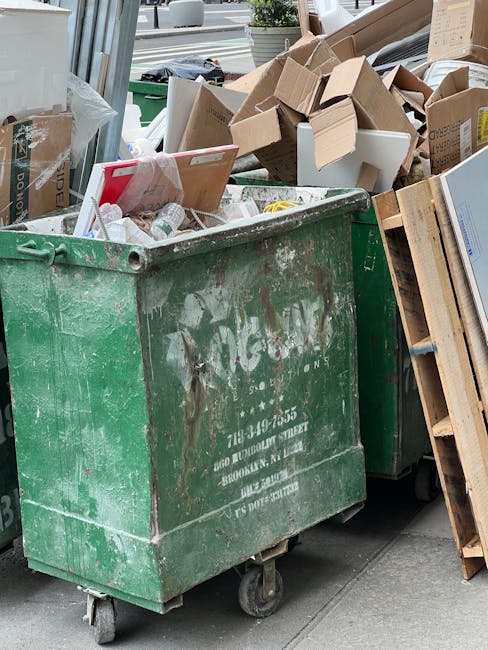
Bulky Waste After an Acton Move: Quick Disposal Options
Moving house in Acton always seems to uncover the same surprise: the sofa that no longer fits, the wardrobe with one broken hinge, the spare mattress that has been "temporarily" stored for years, and a few other heavy bits that suddenly feel much heavier once you have to do something with them. Bulky waste after an Acton move can become the last stressful job on an already long day. The good news? You have several quick disposal options, and the right one depends on time, access, item type, and how much you want to do yourself.
This guide breaks down the practical choices in plain English. You will see what counts as bulky waste, how quick disposal usually works, what to avoid, and which option makes sense for different moving scenarios. If you are trying to clear space before handing back keys, or you have just arrived and do not want a half-empty room full of awkward furniture, this is for you.
Why Bulky Waste After an Acton Move: Quick Disposal Options Matters
Bulky waste is not just "a lot of rubbish." It is the awkward stuff that takes up room, needs lifting, and often cannot be put out with normal household bags. Think wardrobes, broken beds, dining tables, large shelving, old appliances, and tired office furniture. After a move, these items tend to cluster around the same pain points: narrow hallways, tight parking, a ticking checkout time, and the simple fact that nobody wants to move the same heavy thing twice.
In a busy London area like Acton, timing matters more than people expect. A van can only stay so long. Lift access can be shared. The street may be tight for loading. And if you are moving from a flat or a terraced house, bulky items can slow everything down. That is why quick disposal options are worth planning before the moving day chaos begins.
There is also a practical side that gets overlooked. Leaving bulky waste behind can block rooms, make cleaning harder, and create friction with landlords, buyers, or neighbours. Sometimes it is just a sofa in the way. Sometimes it is a whole trail of smaller pieces: broken drawers, desk parts, old lamps, packaging, and that one mystery shelf bracket no one can identify. To be fair, moves have a way of turning ordinary clutter into an obstacle course.
If you are arranging a home move, it helps to think about waste as part of the move, not an afterthought. Services such as home moves and house removalists are often the right place to start if you want the job handled more smoothly from the outset.
How Bulky Waste After an Acton Move: Quick Disposal Options Works
The process is usually simpler than people imagine, but only if you break it into steps. First, identify which items are actually bulky waste and which can be reused, donated, sold, or dismantled. Then decide whether you need a same-day collection style service, a scheduled pick-up, a self-help trip to a disposal site, or help from a moving team that can remove items during the move itself.
For most people, the quickest route is a pick-up service or a man-and-van style load-out. The reason is obvious once you have tried wrestling a mattress down a staircase. You need lifting, loading, and a vehicle that can take irregular items safely. If the items are still in decent condition, a furniture pick-up service can be especially useful because it bridges the gap between "too good to dump" and "too awkward to handle myself."
Here is the basic flow most disposal jobs follow:
- Sort the items. Separate reusable furniture, damaged goods, appliances, and anything with sharp, broken, or hazardous parts.
- Measure access. Check stairs, lifts, parking space, door widths, and whether items need dismantling.
- Choose a disposal route. Match the item type and urgency to the right service.
- Prepare the load. Remove loose drawers, tape doors shut if needed, and keep pathways clear.
- Book collection or transport. Arrange a time that fits with your move-out schedule.
- Finish with a sweep-through. A final check saves a lot of last-minute panic, and yes, there is always one forgotten item.
Sometimes bulky waste is bundled with moving services. That is often the neatest option if you have only one or two large items left after the main move. A man and van in Acton can be a practical middle ground: flexible, quick, and ideal for mixed loads. For heavier or larger jobs, a moving truck or removal truck hire may make more sense.
Key Benefits and Practical Advantages
The biggest benefit is simple: you get your space back quickly. But there are a few other advantages that matter just as much, especially when you are moving under pressure.
- Less stress on moving day. If bulky waste is cleared early, the whole move feels lighter. Literally and mentally.
- Faster property handover. Empty, tidy rooms make final inspections easier and reduce last-minute cleaning.
- Safer lifting. Heavy furniture is where a lot of avoidable strains happen. One awkward twist and the day gets very long, very fast.
- Better use of vehicle space. If you are paying for a van or truck, every cubic foot matters.
- More flexible timing. Quick disposal helps if you are working around keys, cleaners, decorators, or a tight completion schedule.
- Cleaner first impression. For rentals and sales, an empty room always looks calmer than a room with an abandoned sofa in the corner.
There is also a quiet financial advantage. If you dispose of bulky items in the right way, you may avoid extra trips, wasted labour, or charges for delayed loading. That might not sound dramatic, but during a move it adds up. A lot.
Expert summary: The best bulky waste plan is the one that matches your timeline, item size, access conditions, and level of effort. In practice, quick disposal is rarely about one perfect solution. It is about choosing the least messy one for your situation.
Who This Is For and When It Makes Sense
This matters for almost anyone moving in or out of Acton, but it is especially useful if you fall into one of these groups:
- Home movers who have old furniture that will not fit the new space.
- Renters who need the property cleared before check-out.
- Landlords or letting agents dealing with left-behind items.
- Homeowners clearing a loft, garage, spare room, or garden storage before sale.
- Small businesses replacing office furniture, desks, or filing units.
- Anyone with time pressure because the keys need to be handed back today or tomorrow.
Commercial moves create a similar problem, just with more desks, chairs, partitions, and packaging. If that sounds familiar, commercial moves and office relocation services are worth considering for a more structured clear-out.
It also makes sense if you are trying to avoid the classic last-day squeeze. You know the one: cleaning cloths out, kettle packed, keys in hand, and then suddenly you realise the old wardrobe still needs dealing with. Not ideal. Not the moment you want to improvise.
Step-by-Step Guidance
If you want to handle bulky waste quickly after an Acton move, the easiest way is to follow a straightforward plan. No heroics. Just a clean sequence.
1. Walk through the property before the moving van leaves
Do one slow walkthrough of every room, hallway, storage cupboard, and outside area. Check behind doors, under beds, in sheds, and beside radiators. Small items hide well. Big items, strangely, can still be overlooked if the room is busy.
2. Decide what stays, what goes, and what can be reused
Split items into three groups: keep, dispose, and maybe reuse. If a sofa is structurally fine but no longer needed, a pick-up or donation-style route may be better than treating it as waste. If it is damaged, stained, broken, or unsafe, disposal is usually the cleaner option.
3. Check whether dismantling will help
Some bulky items become much easier once partially dismantled. Beds, wardrobes, shelving, and desks often do. But do not spend an hour taking apart something that would have loaded safely in one piece. There is a balance here, and, well, a bit of common sense goes a long way.
4. Match the job to the disposal method
For one or two items, a flexible vehicle and loading help may be enough. For a full flat clearance, a larger van or truck may be more practical. If you still have moving logistics to manage, consider services that can combine transport and disposal, such as man with van support or moving truck hire.
5. Book as early as you can
Quick disposal is only quick if the booking is arranged at the right time. Same-day options are helpful, but even a short delay can matter when you are lining up cleaners, key handover, or building access. Book early if possible, especially at the end of the month or around weekends when schedules get tight.
6. Prepare the items for safe loading
Remove glass shelves, tape loose parts, drain or empty appliances where relevant, and clear a path to the exit. If an item has sharp edges, wrap or secure them. This is one of those small jobs that makes the whole thing feel calmer.
7. Do a final sweep
Open cupboards. Check the loft hatch. Look in the utility room. The last bag of screws, the forgotten coffee table, the spare TV stand - they often wait until the very end. Annoying, yes, but easy to catch if you slow down for five minutes.
Expert Tips for Better Results
After enough moves, a few patterns become obvious. The jobs that go smoothly are not always the smallest ones; they are the ones that were planned with a bit of realism.
- Keep heavy items near the exit if possible. This reduces carrying time and makes loading faster.
- Photograph awkward furniture before collection. It helps you track condition, note access issues, and avoid confusion later.
- Combine waste removal with moving logistics. If you are already booking transport, it is often more efficient to handle bulky waste in the same window.
- Use packing materials wisely. A blanket or strap can protect walls and floors from scuffs, especially in narrow Acton stairwells.
- Reserve a little margin. If the lift is shared or the parking is awkward, allow more time than you think you need.
- Be honest about weight. A chest of drawers may look manageable until you are at the landing. Truth be told, that is where a lot of plans wobble.
Another good habit is to think in zones. Move the bulky items into one room or one corner before collection if you can do so safely. It makes loading faster and stops the whole property from looking half-packed and half-abandoned. Small improvement, big difference.
If you are also dealing with boxes, bedding, or kitchen items, packing and unpacking services can reduce the amount of sorting you need to do yourself. That can be a real relief when the moving day has already gone on too long.
Common Mistakes to Avoid
Some disposal problems are completely avoidable, yet they still happen all the time. Usually because moving day is noisy, rushed, and full of small distractions.
- Leaving bulky items until the last minute. This is the classic one. It turns an easy task into a deadline problem.
- Not checking access first. A large item can be technically disposable and still impossible to get out cleanly without dismantling.
- Mixing reusable items with true waste. This can lead to unnecessary disposal and missed opportunities to pass things on.
- Underestimating load size. A few "small" bits can take up surprising space once they are in a van.
- Ignoring safety. Broken glass, sharp brackets, heavy mirrors, and unstable furniture are all more hazardous than they first look.
- Forgetting the final clean-up. Dust under a bed, screws on the floor, and one stubborn cable can create a messy finish.
One subtle mistake is assuming every bulky item needs the same treatment. A clean, reusable dining table is not the same as a broken particleboard wardrobe. A working washing machine is not the same as damaged waste. The better you classify items at the start, the easier the disposal route becomes.
Tools, Resources and Recommendations
You do not need specialist gear for every job, but a few basic tools make bulky waste handling much easier and safer.
| Tool or Resource | Best Use | Why It Helps |
|---|---|---|
| Furniture blankets | Protecting walls, floors, and item surfaces | Reduces scuffs during narrow stair or hallway moves |
| Strong tape | Securing loose doors, drawers, or cables | Stops parts swinging open during lifting |
| Work gloves | General lifting and handling | Improves grip and reduces scraped hands |
| Measuring tape | Checking access and item dimensions | Helps avoid surprises at doorways and stair turns |
| Step-by-step inventory list | Sorting what goes and what stays | Makes booking and planning much easier |
| Flexible van or truck support | Loading large or mixed bulky items | Useful when you need both transport and heavy lifting support |
For many people, the most useful resource is simply a dependable moving team that can handle furniture and waste together. That is where services like furniture pick-up and removal truck hire can reduce the juggling act.
If you are still comparing providers, start with the company information too. A quick look at about us and the main contact page can help you understand how they work, what they offer, and whether their service style fits your move. Simple, but useful.
Law, Compliance, Standards, or Best Practice
Bulky waste disposal in the UK is not something to be casual about. You do not need to become a compliance expert, but you do need to avoid handing items to someone who may not dispose of them properly. As a general best practice, use a reputable service that is transparent about what it collects and how it handles loads. If you are disposing of items from a home or business, keep records of what was removed and when, especially if the property handover needs proof.
There are also practical safety standards to think about. Heavy lifting should be planned, not improvised. If an item is awkward, brittle, or unstable, treat it as a two-person job. If a piece contains electrical parts, sharp edges, or broken glass, handle it carefully and keep it separated from soft household waste. No drama needed, just sensible care.
For commercial premises, compliance matters even more because office clearances can involve desks, monitors, chairs, packaging, and confidential items. In those cases, pairing waste removal with office relocation services or commercial moves helps create a cleaner process and reduces the chance of items being left behind.
Best practice also includes privacy and terms awareness when booking any service online. If you are reviewing policies or service terms before booking, it is worth reading the relevant pages carefully. It sounds boring, but it saves awkward surprises later.
Options, Methods, or Comparison Table
If you are deciding how to clear bulky waste after a move, the right method usually depends on volume, speed, and how much lifting you want to avoid. Here is a practical comparison.
| Option | Best For | Speed | Effort From You | Typical Strength |
|---|---|---|---|---|
| Self-managed disposal | One or two manageable items | Moderate | High | Low cost if you already have transport |
| Furniture pick-up | Reusable or bulky household pieces | Fast | Low to moderate | Convenient for large items leaving a home |
| Man and van service | Mixed loads, stairs, awkward access | Fast | Low | Flexible for moving and disposal together |
| Moving truck or truck hire | Larger moves, multiple bulky items | Fast | Low to moderate | Good capacity and efficiency |
| Full moving support | Homes or offices with lots to clear | Very fast once booked | Low | Best for time-sensitive move-outs |
A useful rule of thumb: if you have to ask three people for help, the item is probably not a solo job. And if you are still sorting rooms as the moving vehicle is outside, a more flexible service is usually worth it.
Case Study or Real-World Example
Here is a realistic example. Imagine a couple moving out of a two-bedroom flat in Acton on a Friday afternoon. They have a double bed frame, a sagging sofa, a broken office chair, two shelving units, and a coffee table that has seen better days. The lift is small, the parking space is a bit awkward, and the new place only wants the clean items they are keeping.
They start by separating the items. The bed frame is dismantled, the sofa is checked for resale value, and the broken chair is treated as waste. They book a man and van service to combine loading and disposal, which keeps the plan simple. Because the access is tight, they label the pieces and move everything close to the doorway the evening before. The next morning the load-out takes far less time than expected. No faff, no double-handling, no last-minute "where did that screw go?" moment.
What made the difference was not luck. It was sequencing. They sorted first, booked the right service, and did not leave the heavy items as an afterthought. That is the pattern that tends to work in real life.
Practical Checklist
Use this before the last van door closes.
- Walk through every room, cupboard, loft space, and outdoor area.
- Separate keep, donate, sell, and dispose items.
- Measure the biggest pieces and check access points.
- Dismantle furniture only if it genuinely helps.
- Remove loose parts, drawers, and shelves where safe.
- Wrap or tape sharp or fragile edges.
- Book the right service for the amount and type of waste.
- Confirm timing around keys, cleaners, or property handover.
- Keep pathways clear for safe lifting.
- Do a final room-by-room sweep before leaving.
If you want a smoother handover on a home move, services such as home moves can help keep the whole process more organised from start to finish. And if the job is a bit bigger than expected, well, that happens more often than people admit.
Conclusion
Bulky waste after an Acton move does not have to become a second project. Once you sort the items, check access, and choose the right disposal route, the whole thing becomes much more manageable. In many cases, quick disposal is simply about making one good decision early instead of several rushed decisions late.
The main thing is to stay practical. Match the solution to the job. Use help where it saves time and strain. And do not underestimate how much lighter a move feels when the last old sofa, wardrobe, or broken table is already gone. Small win, big relief.
Get a free quote today and see how much you can save.
If you are planning the next step, take a look at the service pages, compare what fits your move, and choose the option that gets your space clear without adding extra stress. That calm, empty-room feeling at the end? Worth it.
Frequently Asked Questions
What counts as bulky waste after a move?
Bulky waste usually means large items that are awkward to carry or cannot go out with normal household rubbish. Common examples include sofas, beds, wardrobes, tables, mattresses, large chairs, and some appliances.
What is the fastest way to dispose of bulky waste in Acton?
The fastest option is usually a collection service that can lift, load, and remove items in one visit. For mixed loads or heavier furniture, a man and van style service is often the most practical.
Can I leave old furniture behind when I move out?
Usually no, unless your tenancy agreement or sale arrangements say otherwise. Leaving items behind can cause deductions, delay handover, or create avoidable problems for the next occupier.
Should I dismantle furniture before collection?
Only if it makes the job safer or easier. Some items are quicker to move in one piece, while others need dismantling to fit through doors or down stairs. The access route decides a lot.
Is a furniture pick-up service suitable for damaged items?
Yes, in many cases it can be. If the furniture is broken, unsafe, or no longer usable, it may still be collected as bulky waste. If it is reusable, a furniture pick-up may be even more useful.
What if I have both moving items and waste to clear?
That is very common. A combined approach often works best, using moving support and disposal in the same booking window. It keeps the day simpler and reduces the number of trips.
How do I know whether I need a van or a truck?
For a few large items, a smaller van may be enough. For multiple pieces, especially when furniture is being moved as well as disposed of, a larger moving truck or removal truck hire is often more efficient.
Can bulky waste disposal help with office moves too?
Yes. Office clear-outs often involve desks, chairs, storage units, and packaging. If you are relocating a business, commercial move support and office relocation services can help with the removal side as well.
How far in advance should I book disposal help?
As early as you can, especially if your move is at the end of the month, on a weekend, or tied to a same-day handover. Even short notice can work, but early booking gives you more control.
What should I do with items that might be reusable?
Set them aside before disposal and think carefully about whether they should be sold, donated, or collected separately. It is a shame to throw away something that still has life in it, if it can be avoided.
Are there any special safety concerns with bulky waste?
Yes. Heavy lifting, sharp edges, broken glass, unstable furniture, and awkward stairwells all create risk. If an item feels unsafe to move alone, treat it as a two-person job and use suitable equipment.
Where can I find more information about booking and service details?
You can review the main service pages and company information, including about us, contact us, and the relevant moving pages to find the best fit for your situation.